Labour mobility deduction: $10,000 — The tradesperson relocation deduction rises from $4,000 to $10,000
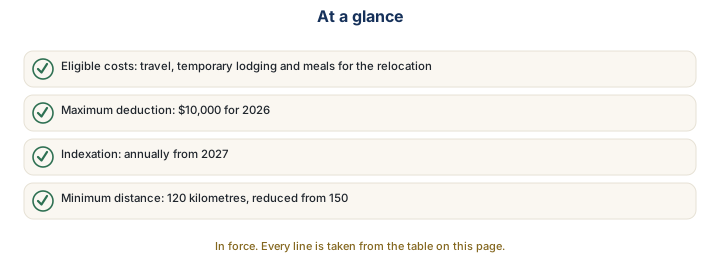
Quick answer: The Labour Mobility Deduction for Tradespeople increased from $4,000 to $10,000 for 2026, indexed annually from 2027, and the minimum distance test fell from 150 kilometres to 120 kilometres.
How it works
Tradespeople frequently travel to work. A job site can be hours from home, and the cost of getting there and staying near it comes out of the worker’s own pocket.
The Labour Mobility Deduction for Tradespeople lets those costs be deducted: travel, temporary lodging and meals for a temporary relocation to a job.
The cap rose from $4,000 to $10,000 for 2026, and it is indexed annually from 2027 so it will move with inflation rather than being frozen until the next announcement.
The minimum distance test also fell, from 150 kilometres to 120 kilometres. That is the quieter change and it matters: trips that previously fell just short of qualifying now qualify.
The relocation has to be temporary and tied to work at a particular site. This is not a deduction for commuting to a regular workplace, however far away that workplace is — the distinction is between travelling to a job and travelling to your job.
Lodging and meals are covered alongside travel, which is what makes the deduction meaningful. On a job requiring several weeks away, accommodation is usually the largest single cost and the one least likely to have been budgeted for.
How it applies to you
Tradespeople and apprentices in construction who travel to temporary work locations. Of everything on this page, this is the measure most directly useful to someone working in the trades.
The distance change widens who is eligible rather than how much they get. A job 130 kilometres away did not qualify before and does now, which brings in a large amount of ordinary regional travel.
The increase from $4,000 to $10,000 is a substantial change in what the deduction is worth — enough that it is now worth organising records around rather than claiming whatever receipts happen to have survived.
How to calculate it
What the deduction covers and what limits it:
| Step | Detail |
|---|---|
| Eligible costs | travel, temporary lodging and meals for the relocation |
| Maximum deduction | $10,000 for 2026 |
| Indexation | annually from 2027 |
| Minimum distance | 120 kilometres, reduced from 150 |
The deduction reduces taxable income rather than being a credit against tax, so what it is worth to you depends on your marginal rate. At $10,000 of eligible costs, the tax saved is $10,000 multiplied by the rate on your top slice of income.
What changed
The deduction covers temporary relocation costs — travel, temporary lodging and meals — for tradespeople and apprentices travelling to a job. Both the cap and the distance threshold moved, and the distance change brings in trips that previously fell just short of qualifying.
What to do
Keep receipts and a travel record through the year. This is the entire practical difference between claiming the deduction and not claiming it.
A deduction cannot be reconstructed from memory at filing time, and at $10,000 the record-keeping is worth considerably more than it was at $4,000.
A phone note of each trip — date, destination, distance, what was spent — with receipts photographed as they happen is enough. It does not need to be elaborate; it needs to exist.
The practical point. Keep receipts and a travel record through the year. The deduction cannot be reconstructed from memory at filing time, and at $10,000 the record-keeping is now worth considerably more than it was.
The terms used on this page
- Temporary relocation
- Moving to work at a job site for a period, rather than permanently relocating.
- Minimum distance test
- How far the work location must be before costs qualify. Now 120 kilometres.
- Deduction
- An amount subtracted from income before tax is calculated, unlike a credit which reduces tax directly.
Common questions about labour mobility deduction: $10,000
How much can I deduct?+
What costs are covered?+
What is it actually worth to me?+
What do I need to keep?+
Where this comes from
Every figure on this page is taken from the source below, not from interpretation:
General information, not tax advice. This page explains a change in general terms. It cannot account for your circumstances and does not create a professional relationship. Confirm anything that affects a decision — book a free consult.
Have a question about this?
A one-off Advice Call is a paid 45-minute session with a Chartered Professional Accountant — $200 plus GST, booked by email or phone with a secure payment link, credited against your first invoice if you become a client within 60 days. Looking for an accountant to take this on rather than an answer? The first consultation is free.
“I have worked with Sunny for the past 2 years. He is very knowledgeable and has saved me tons in taxes by restructuring my group of companies — the best accountant I've worked with in the last 10 years, after switching from three different firms.”